
SIHOO
SIHOO M57 Ergonomic Mesh Office Chair, High Back Home Desk Chair with 3D Armrests, Lumbar Support and Adjustable Headrest, Comfortable Computer Chair, Big & Tall Office Chair Hold 330 LBS-Black
Excellent
In stock on Amazon.com
Pain Guide
Good posture is less about sitting rigidly straight and more about neutral, supported positions that you can change through the day. This guide shows what workplace safety sources describe as a neutral seat, which chair adjustments make it possible, and when ongoing back pain needs a clinician.
As an Amazon Associate I earn from qualifying purchases. We have not physically tested these chairs; scores come from manufacturer and Amazon specifications.
Top Pick
SIHOO
In stock on Amazon.com
Runner-Up
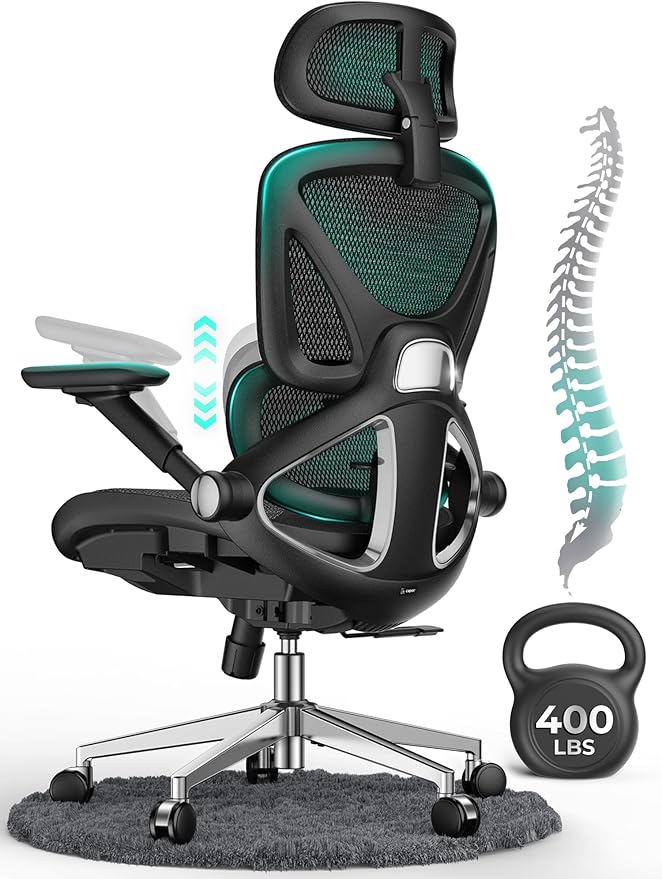
CAPOT
In stock on Amazon.com
Strong Option

ELABEST
In stock on Amazon.com
Amazon.com data updated October 13, 2026, 2:34 pm ET. Price and availability are accurate as of the time indicated and are subject to change. Any price and availability information displayed on Amazon.com at the time of purchase will apply.
OSHA describes neutral posture as a comfortable position in which the joints are naturally aligned, which reduces strain on the body and the risk of musculoskeletal disorders. Its checklist asks for a head and neck balanced over the torso, a torso that is vertical to slightly reclined, relaxed shoulders, elbows close to the body, straight wrists, thighs roughly parallel to the floor and feet flat or on a footrest.
That is a target for your joints, not a single pose to hold. OSHA's position guidance recognizes upright, reclined and declined sitting as acceptable reference postures.
Cornell University's ergonomics group argues that erect sitting is not relaxed, sustainable sitting and recommends reclining at about 100 to 110 degrees instead of a strict 90. OSHA's reclined reference posture puts the torso and neck 105 to 120 degrees from the thighs.
NIAMS tells people to avoid slouching and to practice good posture, and it adds that getting up and changing positions during long periods of sitting is part of looking after your back.
A chair cannot hold your posture for you, but it can make good positions easy to find. OSHA's checklist asks for a backrest with height adjustment for lower back support, a cushioned seat with a rounded front edge, and adjustable seat height, armrests and headrest.
Cornell adds that armrests help with getting in and out of the chair and with occasional rests, but cautions against resting your forearms on them all the time while typing or using the mouse.
Ranking uses the back pain list, so every pick states a lumbar support. Compare lumbar adjustments and armrests in the table.
Posture changes will not resolve every kind of back pain. NIAMS says to seek care if pain does not improve after a few weeks, if you have numbness or tingling, or if severe pain is not relieved by medication. It also lists trouble urinating, leg weakness and unintended weight loss. Contact a provider right away if you have back pain after a severe blow or fall, with an unexplained fever, with difficulty walking or keeping your balance, or if you lose control of your bladder or bowels or have weakness or numbness in your buttocks, thigh, leg or pelvis. MedlinePlus lists these as reasons to call your provider without waiting.
A better chair can help posture and comfort; it is not a medical treatment. If pain persists, see a healthcare provider. Rankings come from specifications; we have not tested these chairs in person.
No. OSHA treats upright, reclined and declined sitting as reference postures and advises changing position often, so variety within a supported range is the aim.
A chair can make a neutral position easier to reach, but it cannot promise to fix posture or pain. Habits, screen height and movement breaks all play a part.
Cornell cautions against resting your forearms on armrests all the time while typing or mousing. Use them for occasional rests and for getting in and out of the chair, and set them where they keep your shoulders relaxed.
Cornell suggests about 100 to 110 degrees rather than a strict upright 90, and OSHA lists a reclined reference posture with the torso and neck 105 to 120 degrees from the thighs. Pick what you can sustain and change position often.
| # | Chair | Ergo Score | Price | Lumbar support | Lumbar adjustments | Armrests | Buy |
|---|---|---|---|---|---|---|---|
| 1 | $199.99 | 2D | Height, depth | 3D adjustable | Check Price | ||
| 2 | $199.99 | Micro-adjust, aligned to L1-L5 | Height | 4D adjustable | Check Price | ||
| 3 | $349.99 | Yes | Height, depth | 4D adjustable | Check Price | ||
| 4 | $399.99 | Dynamic | Not listed by the seller | 4D adjustable | Check Price | ||
| 5 | $179.99 | Dynamic | Not listed by the seller | 3D adjustable | Check Price | ||
| 6 | $595.00 | Yes | Height | 4D adjustable | Check Price | ||
| 7 | $329.99 | Yes | Height | 3D adjustable | Check Price | ||
| 8 | $199.99 | Dynamic | Not listed by the seller | 3D adjustable | Check Price |
Amazon.com data updated October 13, 2026, 2:34 pm ET. Price and availability are accurate as of the time indicated and are subject to change. Any price and availability information displayed on Amazon.com at the time of purchase will apply.
Chairs are ranked by Ergo Score, computed from manufacturer and Amazon specifications with the same published formula for every chair (how we rate). Specifications and prices come from the Amazon.com listings, checked on October 13, 2026, 2:34 pm ET. We have not physically tested these chairs.
As an Amazon Associate I earn from qualifying purchases. We have not physically tested these chairs; scores come from manufacturer and Amazon specifications.


